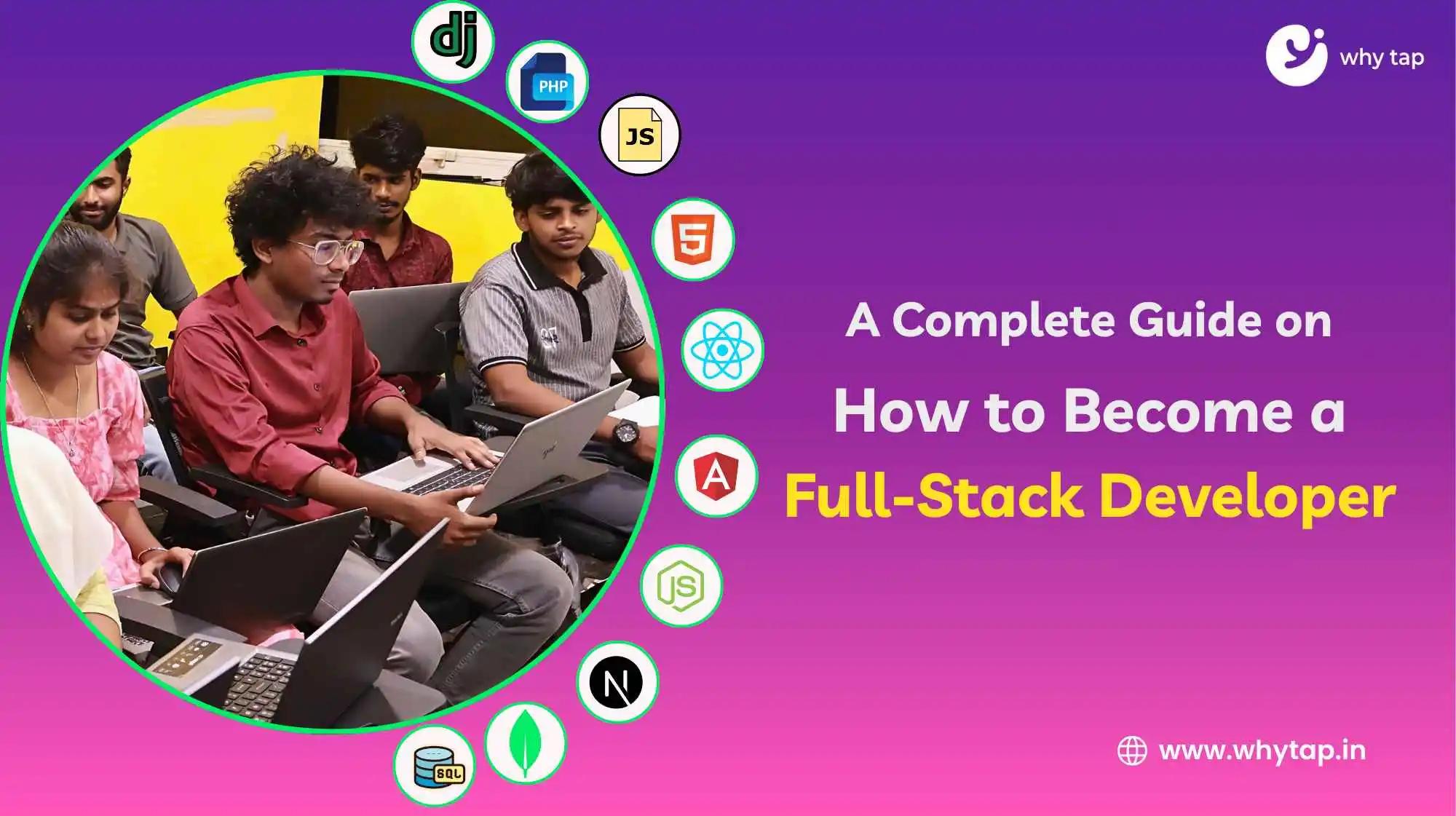
Full-stack builders are notably skilled professionals with competency in each frontend and backend languages. They are adept in HTML, CSS, JavaScript, NodeJS, ExpressJS, Django, and PHP. Equally, they are talented in managing and understanding numerous database management systems (DBMS) like MySQL, PostgreSQL, MongoDB, and more. This comprehensive talent set allows them to handle with multiple facets of internet software development, creating seamless and green applications.
A complete full-stack developer is flexible, dealing with both front-end and back-end aspects of a web application, masking person interface design, database control, and server-side scripting. This twin know-how has caused them being called "T-formed" developers due to the fact they possess a extensive information base throughout improvement languages even as holding deep knowledge in some particular areas.
To be effective, full-stack developers need a comprehensive skill set. Here are some of the core skills for full-stack developers:
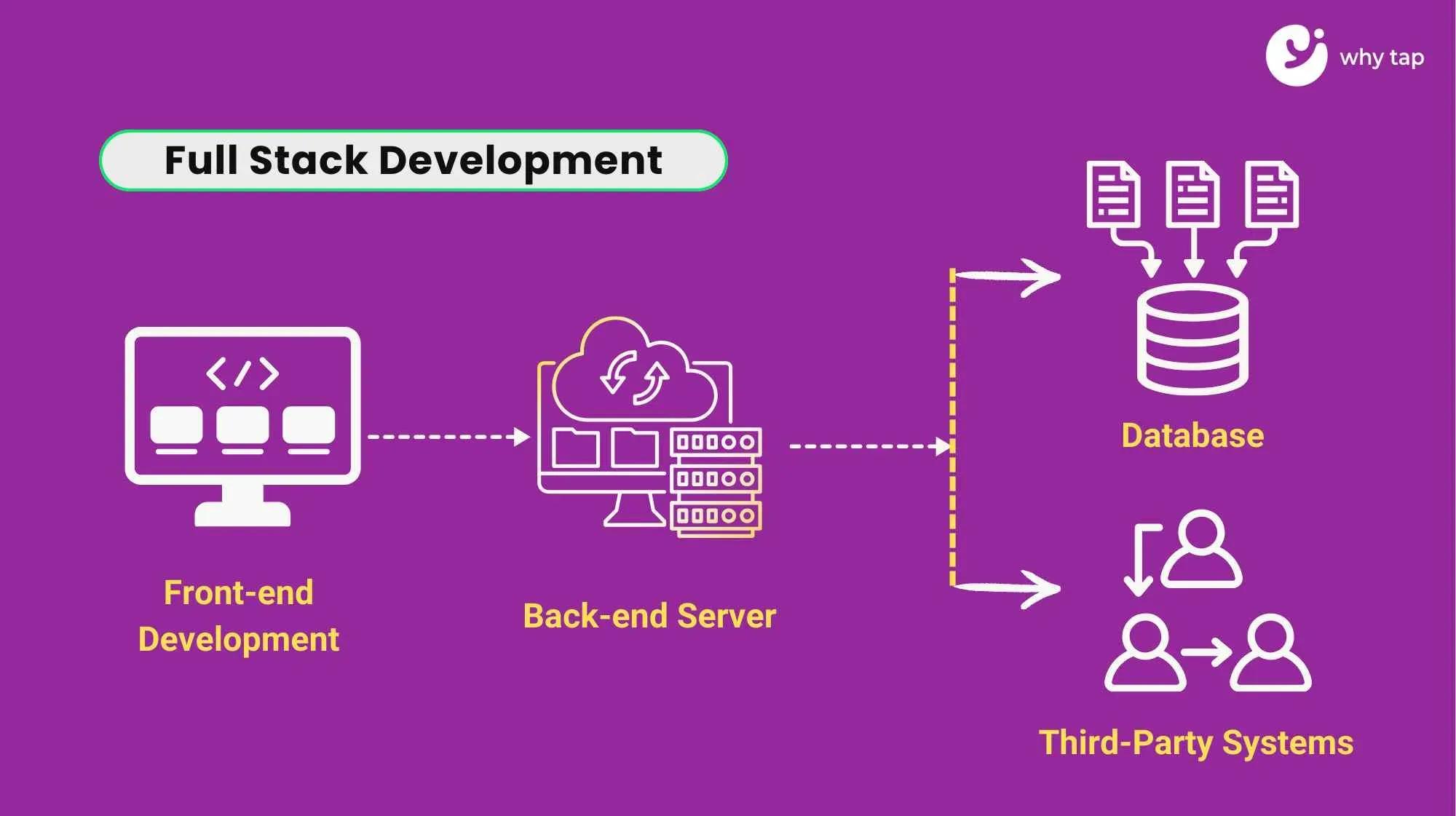
Full-stack development covers both the frontend (client side) and backend (server side) of websites. The frontend is the visible interface that users interact with, while the backend handles the unseen processes, like database management and API integration, that keep the application running smoothly.
Full-stack developers bring specific benefits to organizations. Their twin skill set in front-end and back-end development reduces the want for separate groups or professionals, simplifying undertaking management and taking into consideration more flexible, scalable solutions. This versatility makes them relatively precious, especially in startups and smaller teams looking to maximize productivity with fewer resources.
Becoming a full-stack developer is a progressive journey that involves mastering several essential skills and technologies. Here’s a step-by-step approach to guide you:
Full-stack developers can handle both frontend and backend tasks, making them a one-stop solution for various development needs.
By managing multiple roles, full-stack developers reduce the need for separate frontend and backend teams, saving businesses money.
They bridge the gap between frontend and backend teams, promoting smoother communication and coordination.
Full-stack developers can quickly build and iterate features, supporting agile workflows and faster delivery times.
With knowledge of all application layers, they efficiently troubleshoot and resolve complex issues.
Their diverse skill set ensures high demand, making full-stack developers highly sought after and well-compensated.
They help scale and future-proof applications, ensuring projects grow seamlessly with business needs.
Here’s a structured plan to transition into a full-stack developer role:
Estimated Timeline to Become a Full-Stack Developer

On average, it may take 6–12 months to become a proficient full-stack developer if you’re starting from scratch. This timeline depends on your learning pace and the hours you can dedicate each week.
A typical day might involve tasks such as developing new features on the front-end, troubleshooting server-side issues, or optimizing a database query. Full-stack developers often switch between roles, focusing on either the client-side or server-side as required by project demands, making them adaptable to many tasks and responsibilities.
Full-stack developers are in demand across various sectors, including startups, tech companies, and large corporations. They often work in-house or remotely, depending on the organization’s needs, making them a versatile asset in any tech team.
Full-stack development offers a rewarding and versatile career path for those interested in mastering both front-end and back-end development. The journey requires continuous learning and skill development, but the ability to handle multiple aspects of web development can make you an invaluable part of any tech team.
With the right dedication and a structured learning plan, you can confidentlybecome a full-stack developerand enter a field with diverse opportunities.