Cracking a digital marketing interview requires more than knowing definitions. Recruiters look for clarity, practical thinking, measurable results, and industry awareness.
Here are the 50 most asked interview questions with strong sample answers to help you stand out.
Answer:
Digital Marketing is the process of promoting products or services using online channels such as search engines, social media, email, websites, and paid ads.
It focuses on targeting the right audience, measuring results, and optimizing for performance.
Answer:
SEO (Search Engine Optimization) helps websites rank higher on Google organically.
It is important because organic traffic is free, high-quality, and long-term.
Answer:
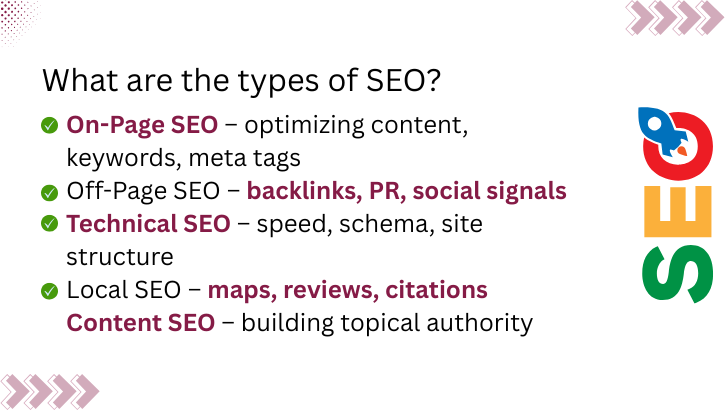
Answer:
Answer:
Search intent refers to why a user is searching.
Example:
Answer:
CTR = (Clicks ÷ Impressions) × 100
Example: If your ad gets 1000 impressions and 50 clicks, CTR = 5%.
Answer:
Quality Score measures ad relevance, keyword relevance, and landing page experience.
High Quality Score reduces cost per click (CPC) and improves rankings.
Answer:
A landing page is a dedicated page designed to convert visitors into leads or customers.
Good Example:
A landing page for a “Data Science Course” with form, benefits, fee details, and testimonials.
Answer:
Remarketing shows ads to users who visited your site but didn’t convert.
Example:
If someone added items to cart but didn’t purchase, you show a reminder ad on Facebook/Google.
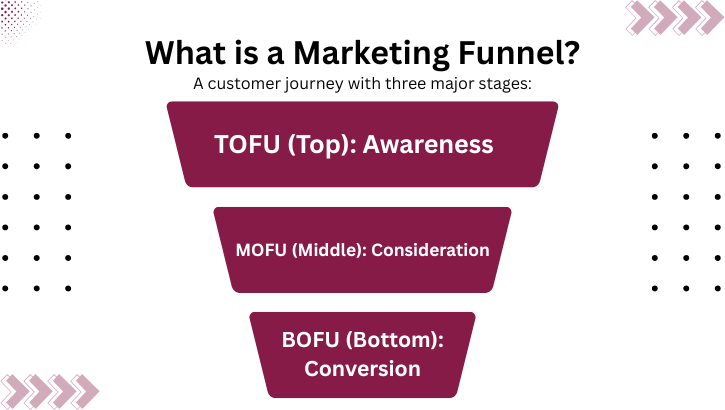
Answer:
A customer journey with three major stages:
Example:
Reel → Landing Page → Demo → Enrollment.
Answer:
Key Performance Indicators include:
Answer:
A method to compare two versions of an ad or landing page to see which performs better.
Example:
Testing two headlines:
A: “Learn Python in 3 Months”
B: “Become a Python Developer in 90 Days”
Answer:
Improving social media profiles for better engagement and visibility.
Example:
Using branded hashtags, posting consistent reels, and optimizing bio.
Answer:
Answer:
Example: Changing a weak headline reduced CPL from ₹400 to ₹180 for a course campaign.
CTA Block 1:
Take FREE Skill Assessment Test on Digital Marketing
https://arc360jobs.com/skillassessment/Advanced%20Digital%20Marketing
Answer:
Using emails to nurture leads, promote offers, or update customers.
Key metrics: Open rate, CTR, unsubscribe rate.
Answer:
Creating blogs, videos, reels, and guides to attract and engage the audience.
Example: “Top 10 Digital Marketing Trends 2025” blog helps generate organic leads.
Answer:
Partnering with influencers to promote products or services.
Micro-influencers often generate higher engagement at lower cost.
Answer:
A tool to track user behaviour, page visits, events, conversions, and traffic sources.
Example: GA4 can show how many students signed up from Instagram vs. Google.
Answer:
A tool to monitor website indexing, ranking keywords, and technical SEO issues.
Example: Fixing “404 errors” can improve your crawlability.
Answer:
Advertisers choose depending on goals.
Answer:
A detailed profile of your ideal customer.
Example:
“25-year-old fresher from Chennai looking for IT career transition.”
Answer:
Keywords that prevent your ad from showing to irrelevant users.
Example:
For a paid course, add “free,” “jobs,” “cracked version” as negatives.
Answer:
Return on Ad Spend = Revenue ÷ Ad Spend.
Example:
Spend ₹10,000, earn ₹40,000 → ROAS = 4x.
Answer (Strong Version):
“I understand not just execution but also numbers. I know how to optimize campaigns, read metrics, improve CPL, and build content that converts.
I can learn fast, experiment with new tools, and contribute real results within the first few weeks.”
Answer:
A “good” conversion rate depends on the industry, but for digital marketing campaigns, anything between 2% to 6% is considered average.
Example: Landing pages with strong CTAs often hit 10%+ conversions.
Answer:
A typical Google Ads CTR is 2%–5%.
Example: A well-optimized search campaign targeting high-intent keywords can reach 8–10% CTR.
Answer:
Audiences created using customer data such as:
Answer:
Audiences similar to your existing high-quality customers.
Example: Uploading student data to Meta to find similar job-seeking audiences.
Answer:
Answer:
A valuable free resource offered in exchange for user details.
Example:
“Free SEO Checklist” → captures emails for nurturing.
Answer:
A small code added to websites that tracks visitors and helps run remarketing ads.
Facebook Pixel and Google Tag are common examples.
Answer:
Answer:
Bounce rate shows the percentage of users who leave without taking any action.
Low bounce = good landing page experience.
Answer:
A tracking code added to URLs to measure campaign performance in analytics.
Example:
?utm_source=instagram&utm_campaign=dm_reel
Answer:
The number of users who see your content without paid promotions.
Answer:
Answer:
A set of metrics measuring:
Answer:
Turning one piece of content into multiple formats.
Example:
One blog → carousel → reel → YouTube short → email newsletter.
Answer:
A score (0–100) that predicts how well a website will rank.
Higher DA = better ranking potential.
Answer:
Answer:
Automated ad buying using AI and real-time bidding across websites and apps.
Answer:
Total cost spent to acquire one customer.
CAC = Total Spend ÷ Number of Customers
Answer:
A planned schedule of content to be posted across channels. It improves consistency and reduces last-minute stress.
Answer:
Promoting other companies’ products and earning a commission per sale.
Answer:
Answer:
Small actions that indicate user interest before the final conversion.
Example:
Answer:
A visual representation showing where users click, scroll, or drop off on a webpage.
Tools: Hotjar, Crazy Egg.
Answer:
Studying competitors’ keywords, backlinks, content, and ranking pages to build a better strategy.
Answer:
Search intent ensures your content matches what users actually want.
Example:
Targeting “best running shoes for men” requires comparison content, not a product page.