Entering the digital marketing world can feel overwhelming, there’s so much to learn! But don’t worry. We’ll walk you through a complete digital marketing syllabus for 2026 that covers everything fresh graduates need. By following this guide, you’ll know exactly what topics to study and why they matter. The digital marketing field is booming: global ad spend is projected to reach $786.2 billion by 2026. With demand growing and digital marketing jobs expected to grow ~10% annually, now is a perfect time to dive in. This syllabus covers the core modules from understanding consumer behavior to mastering AI tools, so you can start your career confidently.
Digital marketing skills are in higher demand than ever. As a fresh graduate, you can look forward to a career with explosive growth and strong job security. For example, one industry report notes that the global digital marketing industry is “exploding with opportunities” and projected to reach about $786 billion by 2026. Moreover, 93% of online experiences start with a search engine, so businesses urgently need skilled people to manage their online presence. In short, digital marketers will be essential to every business’s success in 2026 and beyond.
By mastering a structured digital marketing syllabus, you’ll be prepared for this high-growth field. The following modules (summarized from leading programs) form a complete curriculum for aspiring digital marketers. Each section below explains what you’ll learn and why it matters for your career. Let’s get started!
Understanding the customer is step one in marketing. This module covers how consumers think and decide, and how marketers create effective strategies. You’ll learn about:
Why this matters in digital marketing syllabus: Consumers today expect personalized, seamless experiences. In fact, a McKinsey study found that 71% of consumers expect personalized interactions, and 76% will switch brands if their experience is poor. As a marketer, you’ll need to use data and insights to tailor strategies. This module teaches you how to segment audiences, map journeys, and set goals so your campaigns truly resonate with real people.
Content is king in digital marketing. This module focuses on creating engaging content in all formats, written, visual, and video. Topics include:
Why this matters: Good content drives leads. Research shows content marketing generates 3 times more leads than traditional outbound marketing and costs 62% less. In other words, learning to create valuable content will make you an in-demand marketer. Modern audiences consume tons of content (often video), so expect to study tools and trends for social, blogs, podcasts, and more.
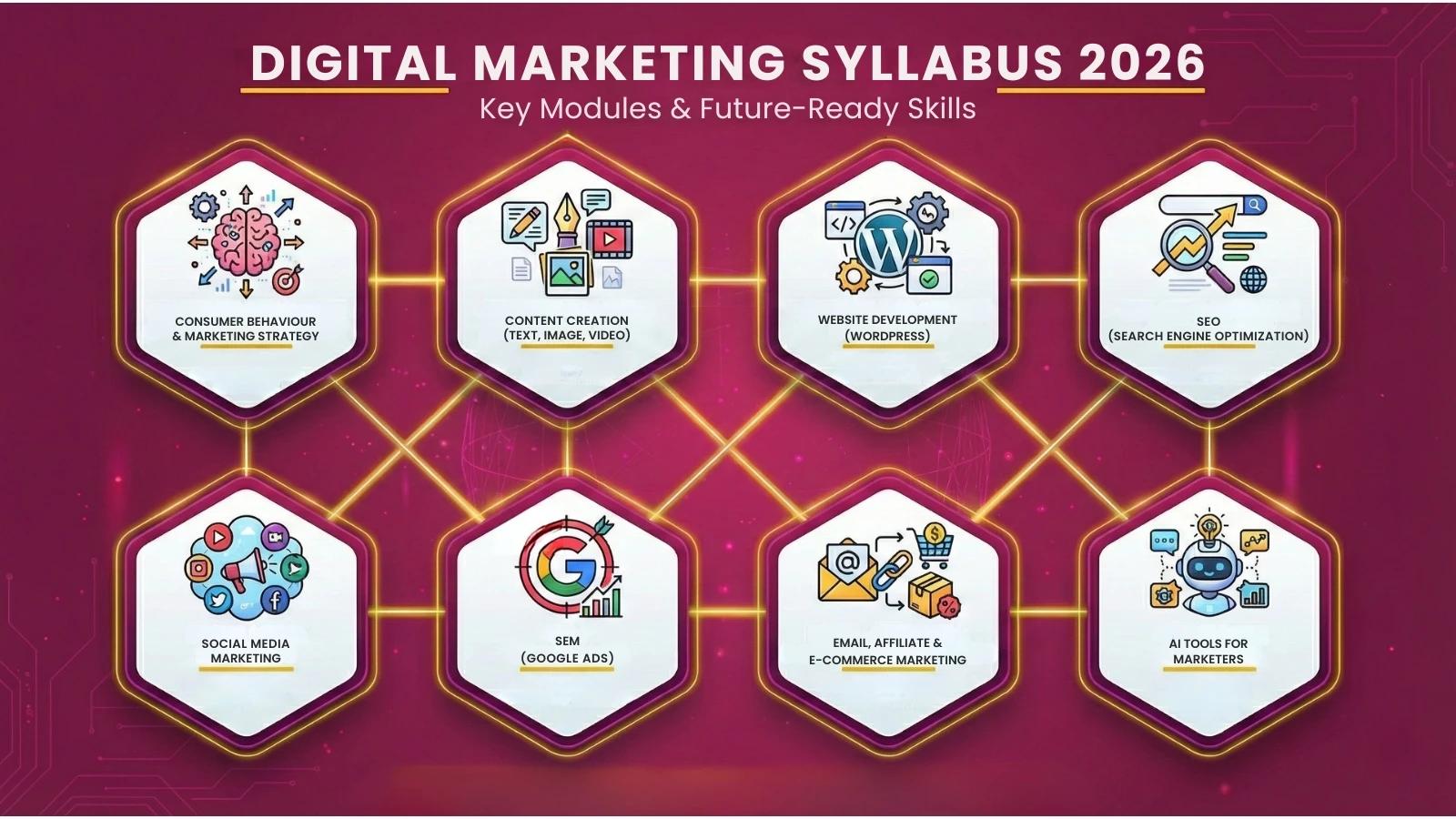
Your own website is the home base of digital marketing. This module teaches you to build and manage websites, especially using WordPress, the world’s #1 web platform. Topics include:
Why this matters in digital marketing syllabus: Every digital campaign will (directly or indirectly) drive traffic to a website. Knowing how to set up and optimize a site is crucial. WordPress is free, powerful, and widely used, so these skills are practical from day one. By the end of this module, you’ll confidently build a working website, blog or e-commerce site, giving you an essential portfolio piece.
Search engines drive a huge share of traffic online. This module in Digital Marketing Syllabus covers how to optimize content so it ranks high on Google and others. You’ll learn:
Why this matters: The vast majority of online experiences start with search. As a result, companies need SEO experts to get visibility. In the future (2026 and beyond), SEO isn’t going away, it’s only getting more data-driven and competitive. In digital marketing syllabus, mastering SEO means your content will attract free, organic traffic for years. You’ll learn both strategy (planning content around keywords) and tactics (improving page speed, schema markup, etc.) so your campaigns get discovered.
Social media is where people spend a lot of time and attention. This module shows how to build brand presence and engagement on platforms like Facebook, Instagram, LinkedIn, TikTok and more. It covers:
Why this matters: Social media use is massive, over 5.5 billion social media accounts exist worldwide (more than two-thirds of all people on Earth) and users spend over 18 hours a week on social platforms. For marketers, this is a goldmine of opportunity to reach audiences. By mastering social media marketing in digital marketing syllabus, you’ll help companies grow their audience and convert followers into customers. Plus, trends (like influencer marketing and live video) make this an exciting, creative field.
In digital marketing syllabus, SEM refers to paid online advertising, primarily through search engines. In this module you’ll learn how to:
Why this matters in digital marketing syllabus: SEM is the fastest way to get your brand in front of customers who are actively looking to buy. When done well, paid ads can double revenue for every dollar spent (source: industry averages). Learning SEM alongside SEO makes you a well-rounded marketer; you’ll know how to capture both organic and paid search traffic. Expect hands-on practice with real ad accounts and budgets, so you see immediate results.
In digital marketing syllabus this combined module covers important channels for nurturing customers and driving sales:
Why this matters: Together, these channels help complete the sales funnel. Email keeps your audience engaged long-term, affiliates extend your reach with new audiences, and e-commerce tactics turn browsers into buyers. In 2026, many businesses will sell products and services online, so knowing e-commerce fundamentals (like setting up Shopify or Woocommerce) is a huge plus. After this module in digital marketing syllabus, you’ll be able to plan and run campaigns that actually drive revenue.
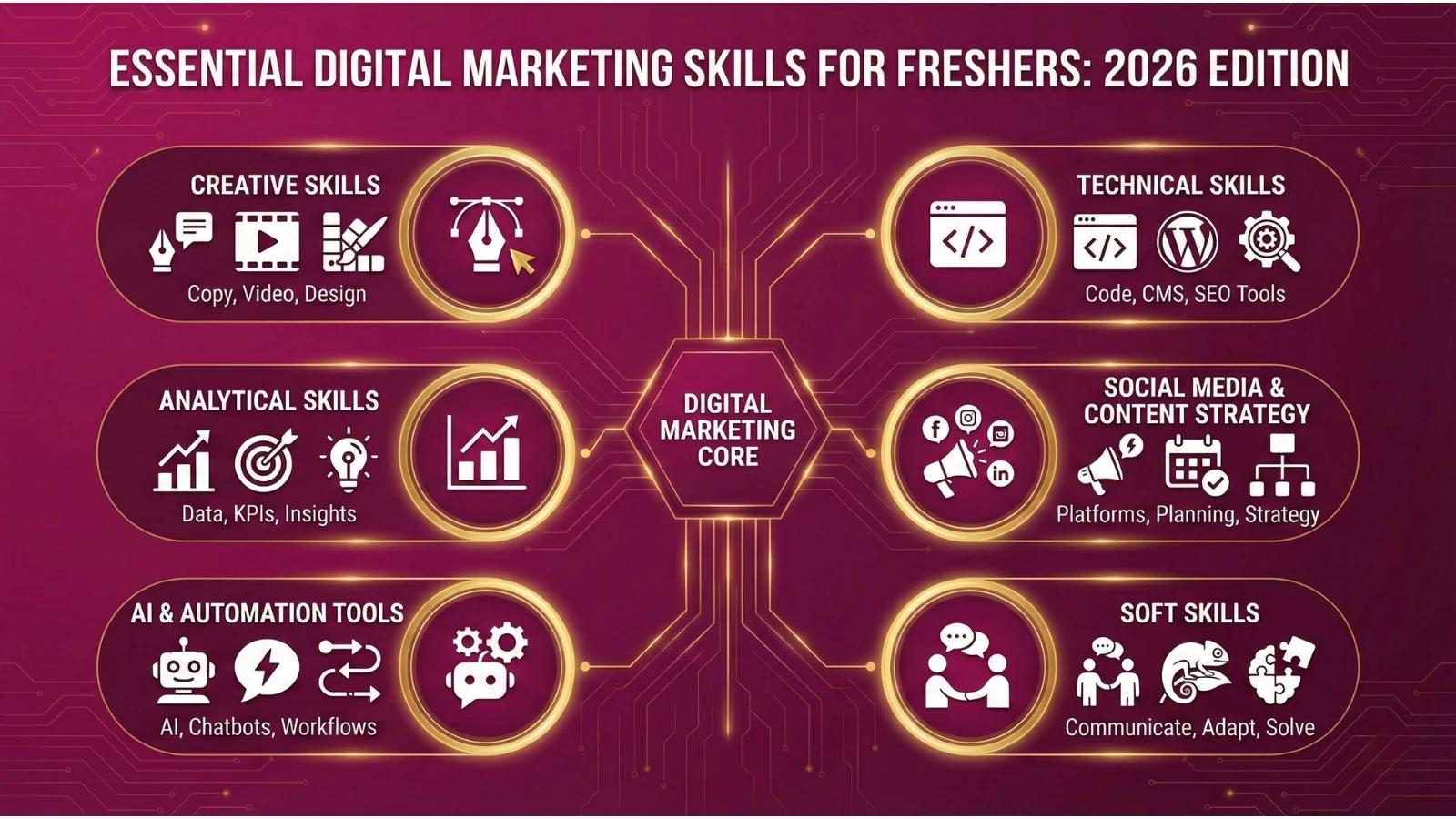
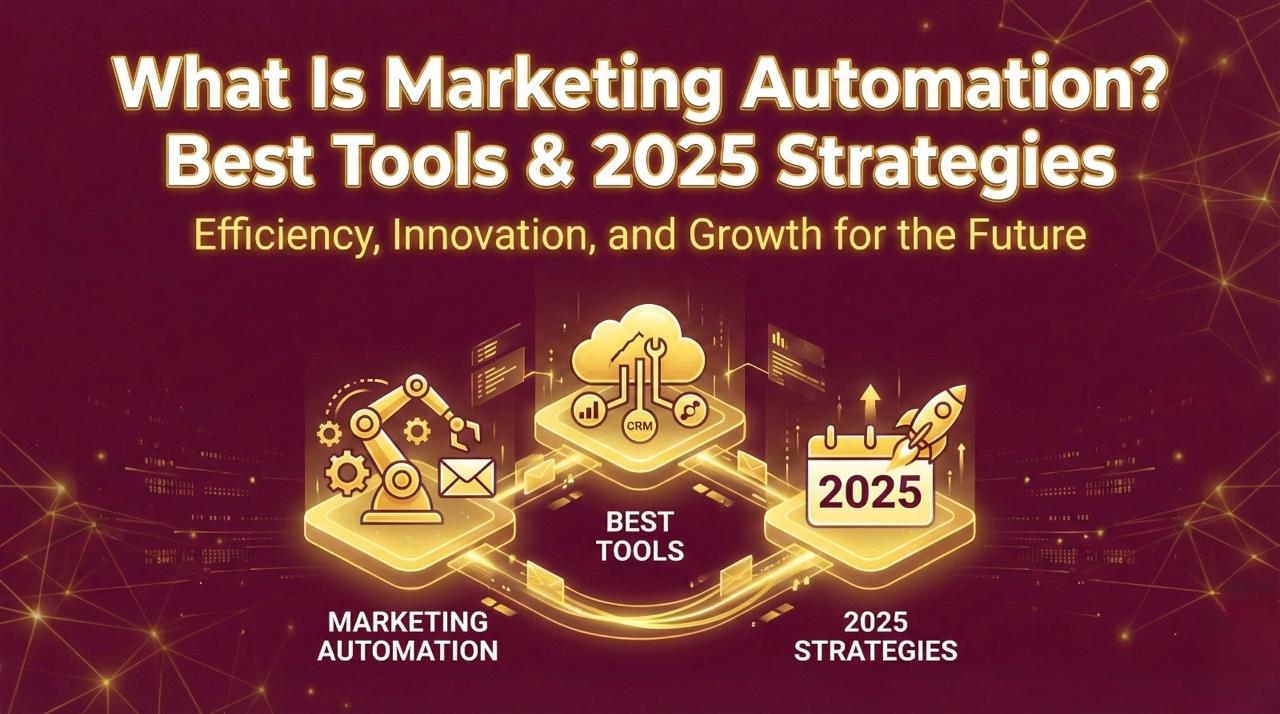
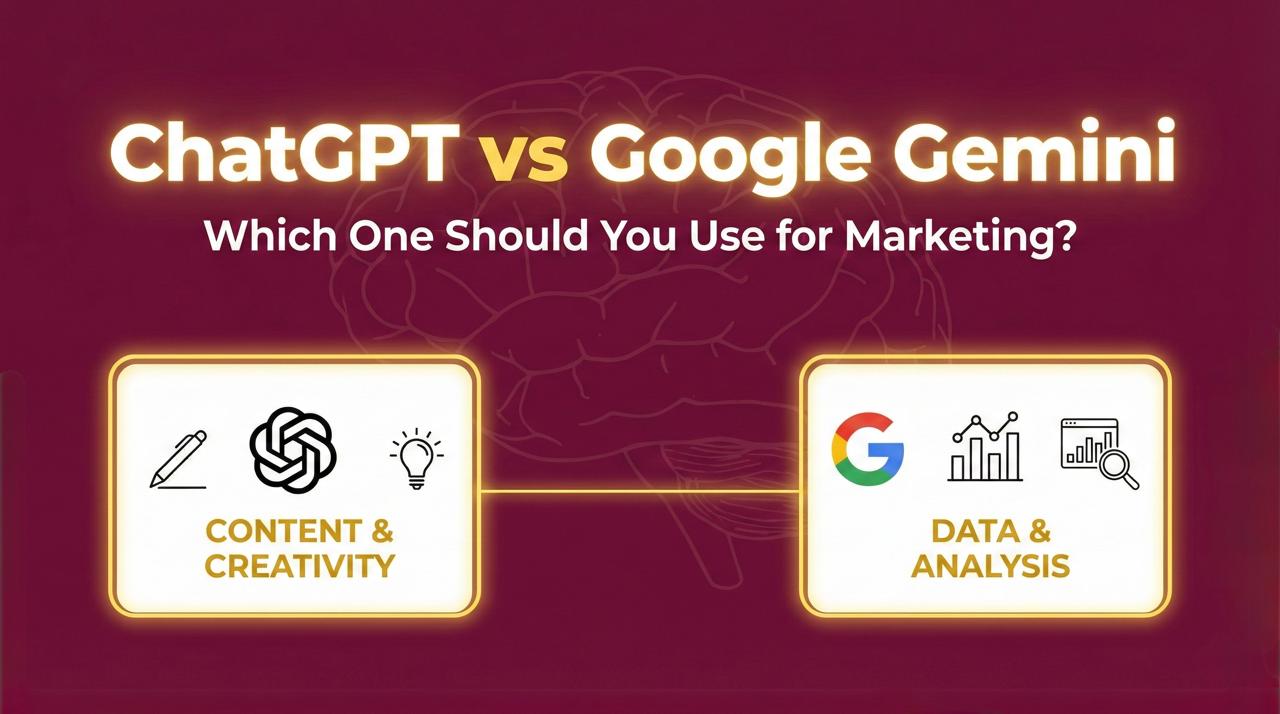
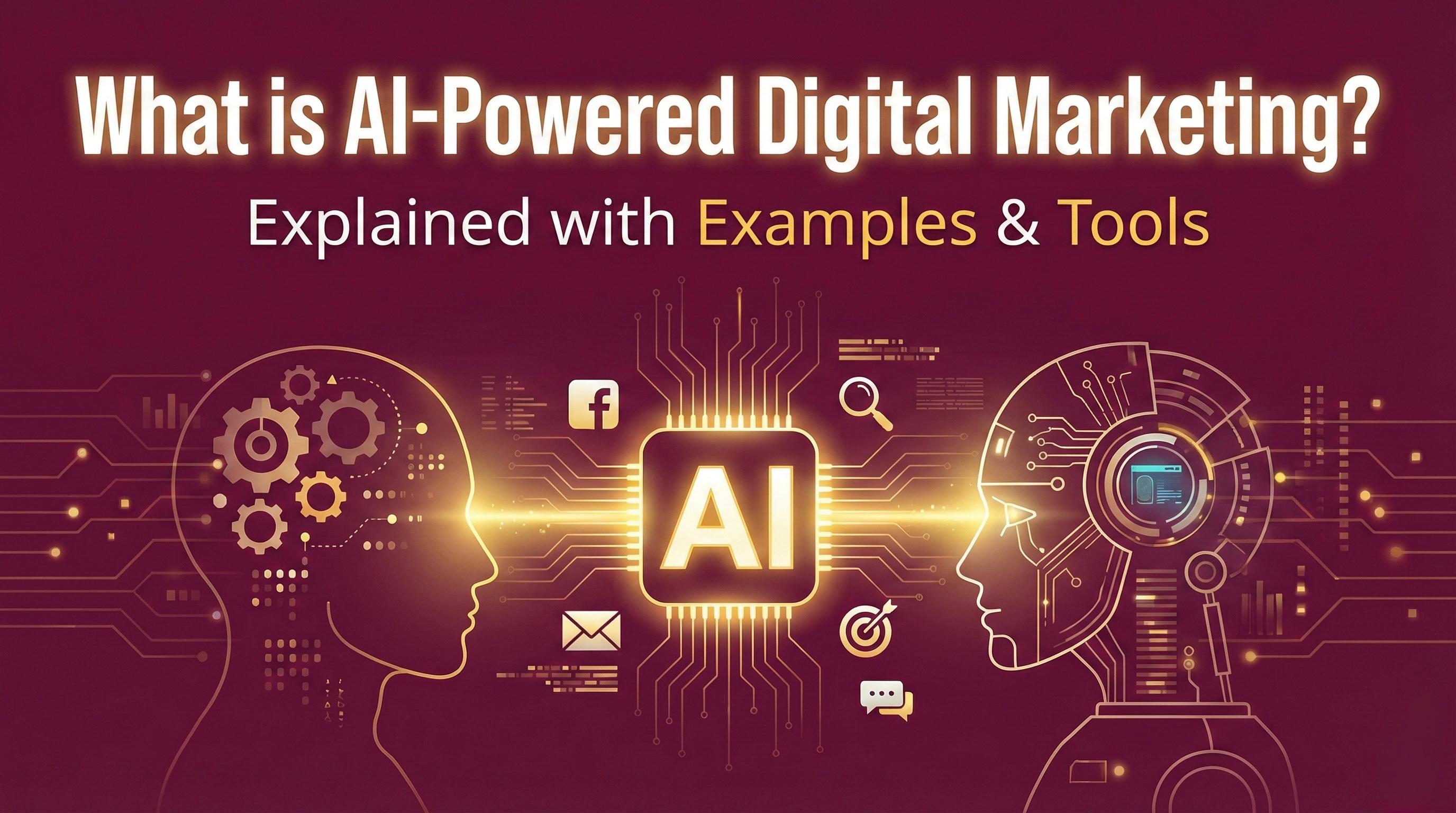
By 2026, AI will be a key part of every marketer’s toolkit. This module introduces you to the latest AI-driven tools and how to use them effectively:
Why this matters: AI is transforming digital marketing syllabus. According to McKinsey, the majority of surveyed companies already use AI in functions like marketing, and many use it for “content support for marketing strategy, including drafting, generating ideas, and presenting knowledge”. In practice, this means automating repetitive tasks and focusing your creativity where it matters. Mastering AI tools will make you a more efficient, cutting-edge marketer. Our digital marketing syllabus ensures you get hands-on with AI assistants (from ChatGPT to design generators) so you’re ready for the future of marketing.
Ready to launch your digital marketing career? Whether you’re self-studying or looking for a guided path, this syllabus gives you the roadmap. It’s an exciting time to start, the industry is booming and loaded with opportunities. Stay curious, keep building your portfolio, and remember: the best way to learn digital marketing is by doing. You’ve got this!