Why Audiences Are the Heart of Digital Marketing in 2025
Custom and looklike audiences In 2025, digital marketing is no longer about casting a wide net, it’s about precision targeting. Companies now invest heavily in understanding who their audience is, what they want, and how they behave online. This is where custom audiences and lookalike audiences become game-changers.
Platforms like Meta Ads (Facebook & Instagram), Google Ads, and TikTok Ads allow marketers to target users based on past interactions, demographics, interests, and online behavior. By leveraging these audience types, businesses can:
In this blog, we’ll cover:
By the end, you’ll have a complete roadmap to target the right people with the right message.
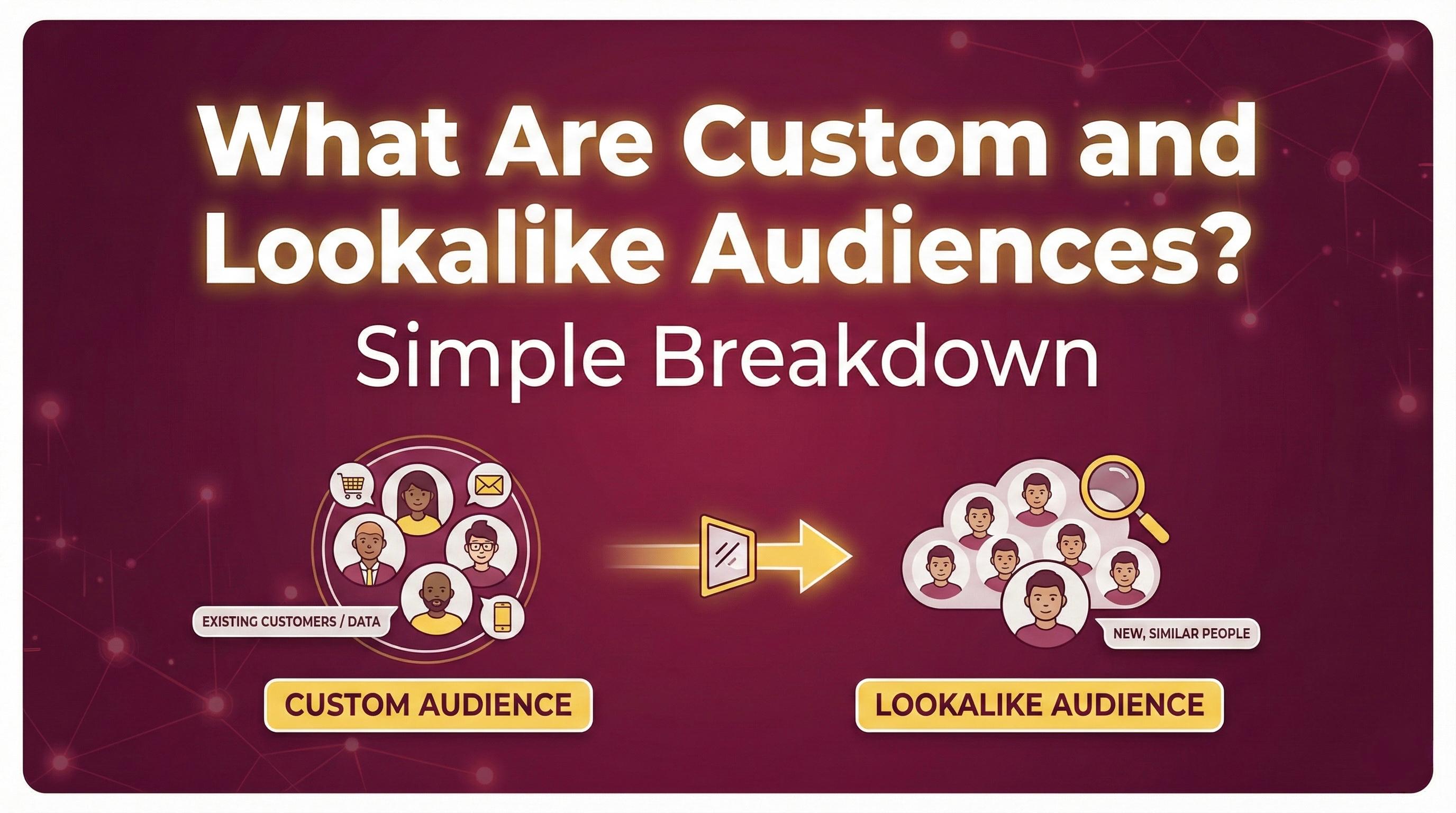
A custom audience is a group of users who have already interacted with your brand. These users have shown some level of interest, making them warm leads. Targeting them with personalized ads often leads to higher engagement and better conversion rates.
Website Visitors – Users who visited specific pages or took actions such as adding products to a cart or signing up for newsletters.
Customer Lists – Uploading your CRM data, email lists, or phone numbers to platforms like Meta or Google Ads.
App Users – People who have installed or interacted with your mobile app.
Social Media Engagement – Users who liked, shared, commented, or watched videos on your pages.
Example:
A digital marketing course provider like WHY TAP can create a custom audience for people who:
Targeting this group allows marketers to run retargeting campaigns that convert at a higher rate than cold traffic campaigns.
Higher Engagement: Users familiar with your brand are more likely to click and interact with ads.
Better Conversion Rates: Warm audiences are more likely to purchase.
Cost Efficiency: Focus your ad budget on users who are likely to convert.
Audience Segmentation: Split audiences by behavior, geography, device, or engagement level.
Improved Personalization: Show ads tailored to user behavior for better results.
Statistical Insight:
According to Meta, campaigns targeted at custom audiences see a 2–3x higher ROI than campaigns targeting broad demographics.
A lookalike audience is a group of new users like your best customers. Platforms like Meta and Google analyze your custom audiences to find people with similar demographics, interests, and online behaviors.
Example:
If your best students for a digital marketing course are aged 22–28 and based in India, a 1% lookalike audience will target users with similar demographics, interests, and engagement patterns, potentially increasing enrollments.
| Feature | Custom Audience | Lookalike Audience |
|---|---|---|
| Source | Existing customers or website visitors | |
| Intent | Warm audience | Cold but likely to convert |
| Use Case | Retargeting campaigns | Expansion campaigns |
| ROI | Higher short-term ROI | Slightly lower but scalable |
| Personalization | Highly personalized | Highly personalized |
Both audience types are complementary: custom audiences maximize immediate conversions, while lookalikes scale your reach.
1. Meta Ads (Facebook & Instagram)
Pro Tip: Use events like Add to Cart or View Content to refine audience precision.
2. Google Ads Custom Audiences
3. TikTok Ads Custom Audiences
4. Go to Assets → Audiences → Create Custom Audience
5. Select the source: Website traffic, app events, or engagement
6. Configure audience criteria and duration
7. Save and apply in campaigns
Creating custom audiences ensures your ad budget targets high-intent users, increasing ROI.
Example:
A custom audience of 5,000 engaged users for WHY TAP AI course can generate a lookalike audience of 500,000 potential students.
Key Metrics to Track
Tips:
Use AI tools and predictive analytics to identify top-performing audiences and optimize campaigns automatically.
Custom and Lookalike Audiences are two of the strongest targeting frameworks in digital advertising. Custom Audiences help you reconnect with people who already interacted with your business whether they visited your website, engaged with your social media, or joined your email list. Lookalike Audiences, on the other hand, help you expand your reach by targeting new users who behave like your best existing customers.
When used together, these custom and looklike audience types create a high-performing system that improves relevance, reduces wasted ad spend, and boosts conversions. In a digital world where competition is intense and user attention is limited, brands that use data-driven audience segmentation consistently see stronger results.
If you’re looking to sharpen your digital marketing skills further, explore more actionable insights and courses at WhyTap’s Digital Marketing Programs, a trusted platform for upskilling and career growth.