Social media usage isn’t just about fun or passing time. For many, it becomes a deep, almost subconscious habit, a pattern driven by real brain chemistry, behavioral design, and technological reinforcement.
In this post, we explore the neuroscience, behavioral psychology, and AI algorithm design behind social-media addiction. We rely on peer-reviewed studies, expert commentary, and publicly available data, not just opinions.
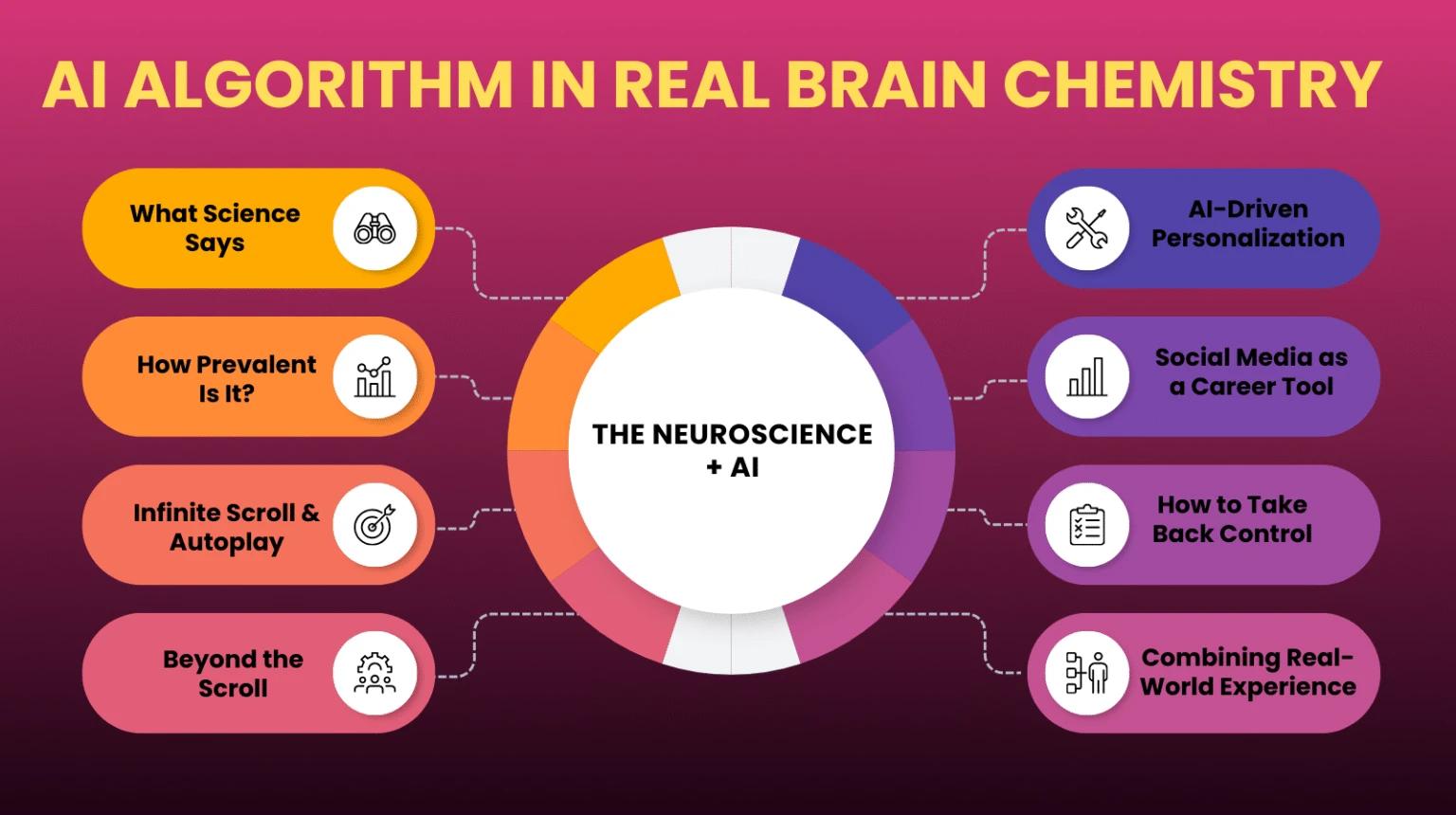
1. Dopamine, Reward & the Scroll Cycle: What Science Says
Your original explanation of dopamine and the “slot-machine” effect is spot on, and there’s strong scientific support for that.
According to a recent article from Stanford Medicine summarizing work by psychiatrist Anna Lembke, excessive social media use hijacks the brain’s reward pathways. The same regions activated by evolutionary “rewards” (food, social acceptance, survival) respond to likes, notifications, and endless content making social platforms potent triggers for dopamine release.
Another write-up explains how “scrolling, likes, comments” provide quick bursts of gratification, essentially, instant rewards that the brain misinterprets as meaningful stimuli. That helps explain why it’s so difficult to stop.
Because these rewards are often unpredictable (you don’t know which post will trigger the next dopamine hit), your brain develops a variable-reward learning loop, the same psychological principle that fuels gambling addictions.
This isn’t just theory. A 2025 empirical study on social media dependency found that excessive use of platforms like Instagram is associated with emotional exhaustion, stress, and negative mental-health outcomes, a phenomenon researchers term “Instastress.”
2. Social Media Addiction, How Prevalent Is It?
Understanding that the reward system can be exploited is one thing but putting numbers to it helps drive home the scale.
According to a 2025 analysis of global social-media usage, up to 40% of adults aged 18–22 report feeling “somewhat addicted” to social media; around 37% of people aged 23–38 also report similar dependence.
Broader patterns show heavy usage across age groups and geographies, many people spend 2–3 hours daily (or more) on social media, with some “heavy users” exceeding 5 hours a day.
Academic research dating back to 2018 using the Instagram Addiction Scale (IAS) found that while a majority (~66.5%) were classified non-addicted, there remained a significant segment (about 26.5% mildly addicted, 6.1% moderately addicted, 0.9% severely addicted) showing measurable dependency behavior among a sizable minority.
These numbers reinforce the argument that Instagram-type platforms are not just “fun distractions.” For a significant portion of users, usage patterns closely resemble addiction with real consequences for mental well-being, productivity, and social health.
3. Interface Design & Behavioral Engineering: Infinite Scroll & Auto play
You highlighted the role of infinite scroll and research supports that this kind of design deeply encourages addictive behavior.
A 2024 study published on arXiv showed that infinite-scroll designs by removing natural stopping cues and friction, lead to “normative dissociation”: users lose self-awareness and lose track of time. In the study, participants exposed to infinite scroll remembered fewer posts compared to users who had to “click to load more.”
Behavioral-health experts argue that features like autoplay, push notifications, and infinite feeds are designed to reduce friction making it as easy as possible for users to stay engaged. That’s how scrolling becomes “automatic.”
In short: when the platform removes natural boundaries, your brain’s self-control becomes the only barrier and often, you lose that barrier without even realizing.
4. Psychological & Social Consequences: Beyond the Scroll
Using Instagram isn’t just about dopamine, it’s also about social validation, emotional vulnerability, and mental health consequences.
A 2024 study on the psychosocial effects of Instagram addiction found clear associations between heavy Instagram use and decreased self-esteem, distorted body image, social comparison, anxiety, and depression.
The same research indicates that “Using Instagram dependence” is often mediated through addiction-like behaviors meaning that negative psychological outcomes are more likely when usage becomes compulsive, repetitive, and emotionally charged (e.g. constant checking, comparing, re-posting). In other words: what starts as harmless browsing can evolve into a dangerous feedback loop where you seek validation, judge yourself or others, and trap yourself in negative emotional cycles.
5. The Invisible Hand: AI-Driven Personalization & the Attention Economy
You already connected Using Instagram addictive design to recommendation algorithms, that’s crucial. And because many of those same AI concepts are now taught to tech learners (for instance, at institutions like WHY TAP), this insight is especially relevant.
Modern social-media platforms build an “interest graph” for each user based on watch-time, likes, comments, skip behavior, pause duration, replays, interactions, and more. Over time, that graph becomes a detailed profile of what triggers your interest, emotionally or cognitively.
The algorithm keeps learning every swipe, reaction, or view trains it. That means your feed and Reels become more personalized over time showing content most likely to trigger emotional or dopamine-driven responses.
In effect, the combination of neuroscience based behavioral design + AI driven personalization makes platforms like Using Instagram among the most effective attention-capturing machines ever built.
Because the same underlying AI/ML logic is being taught at digital-skill training institutes (like WHY TAP), many young people today are not just passive consumers but potentially future creators or developers in this ecosystem. Understanding the psychology + tech mechanics is no longer optional.
6. The Modern Reality: Social Media as a Career Tool
While there are serious risks, there’s a flip side: social media can be a powerful tool for growth, self-expression, entrepreneurship, and community building.
In 2025, social media isn’t limited to personal use. It’s a digital skill ecosystem. Content creation, short-form ,video editing, social-media marketing, community-building, digital branding all are viable career paths.
Training institutes such as WHY TAP which offer digital marketing, data science, web development, and AI-based courses reflect this reality. Learning how AI works, or how to build social media tools, can help transform you from a user into a creator / professional.
For many, the same mechanisms that make Instagram addictive personalization, reward-loops, engagement algorithms become tools to engineer content, build audiences, and monetize reach. That requires knowledge, skill, and ethical awareness (which ideally, courses should emphasise).
But with that power comes responsibility. The same design that hooks users can impact mental health and well-being for creators, consumers, and audiences alike.
7. Transparency, Awareness & Intentional Use: How to Take Back Control
If you recognize that Instagram (or any social platform) uses neuroscience + AI + behavioral design to capture your attention you can use that awareness to regain control. Some suggestions (similar to what you had, but now backed by research):
Turn off non-essential notifications to reduce intermittent dopamine triggers while Using Instagram.
Disable auto play / infinite scroll (or use tools that add friction) research shows that adding friction helps people break dissociative scrolling habits.
Set clear usage limits many behavioral-health experts recommend scheduled or limited social-media usage to prevent compulsive habits.
Use social media intentionally as a creator, for learning, for community-building rather than as a filler for boredom, stress, or emotional escape.
Educate yourself to understand how algorithms work; if you have the interest, consider learning digital-media skills or AI behind content distribution (for example, via courses or programs).
Awareness is the first step. Once you know why you get addicted you can start to break the pattern.
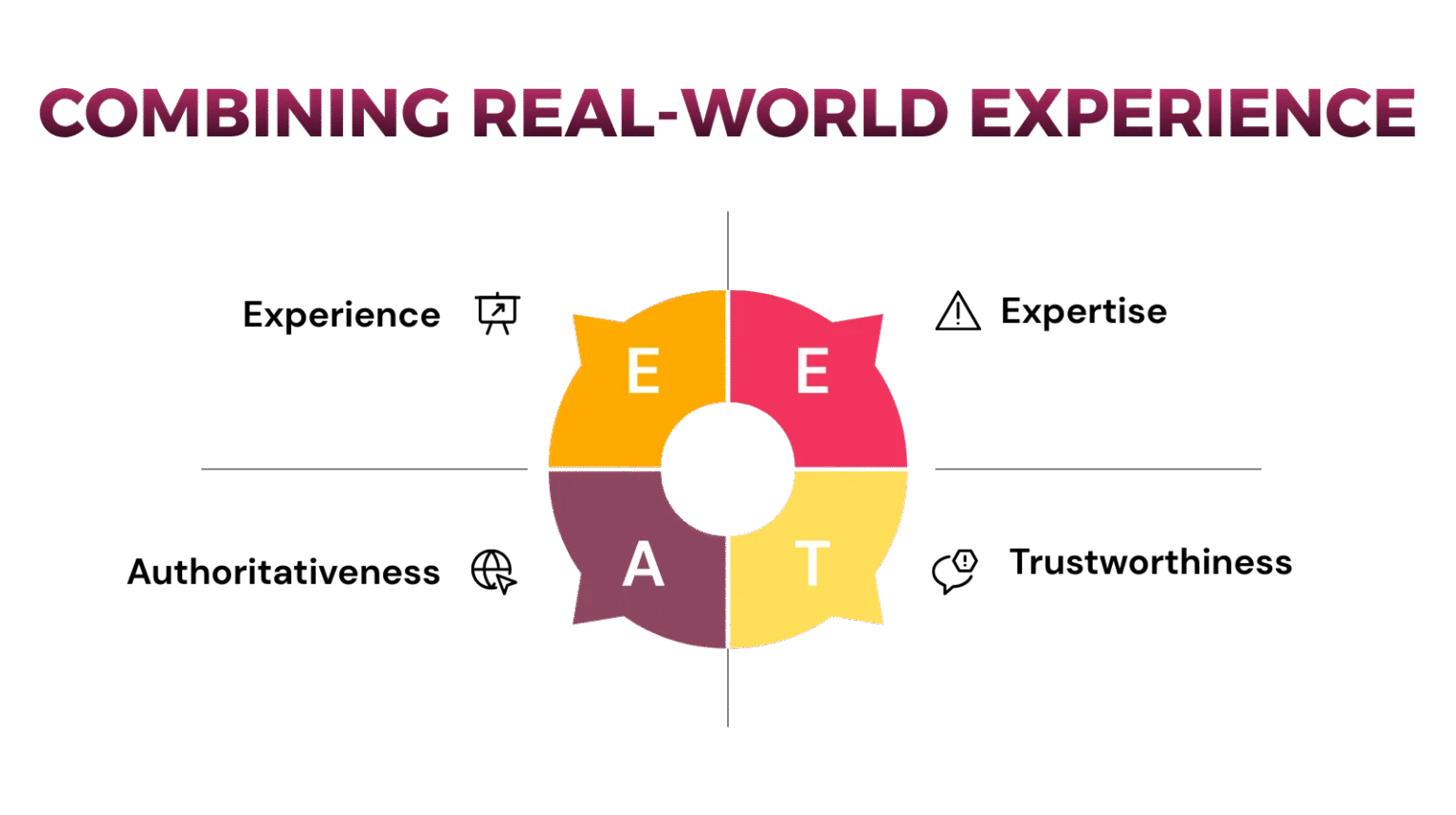
8. Why Combining Real-World Experience + Research + Transparency Matters And How This Blog Aims to Do That
To align with Google’s E-E-A-T standards, content creators must go beyond opinions and anecdotes. They need:
Logical structure + clarity, and a purpose centered on helping readers (not just chasing clicks) (Authoritativeness & Usefulness)
This blog attempts to follow those principles: weaving in scientific findings, credible sources, clear logic, and actionable takeaways.
If you publish it on your site, consider adding a short author bio, date of publication, and sources / references list at the bottom. This helps search engines and human readers trust your work more.
9. Final Thoughts
Yes you can’t stop using Instagram. And it’s not because you lack willpower.
It’s because Instagram is designed to hijack your brain’s reward circuitry. It’s powered by algorithms that learn exactly what you want often before you know it yourself. It exploits human psychology, social needs, and neural chemistry to create powerful loops of engagement.
But knowledge changes the game. Once you understand the neuroscience + AI behind it you can reclaim control. You can decide when, how, and why you use social media. You can learn to use it not as a passive habit, but as a mindful, intentional tool for creativity, growth, connection, or even career.
And if you or your audience are curious about learning more about mastering AI, digital marketing, content creation, or tech tools consider educating yourself intentionally (for example, via institutions like WHY TAP). Because in a world driven by AI and attention economy, the more you understand the machine, the better you master your own attention.
Top FAQs About Instagram Addiction, Neuroscience & AI
Why is Instagram so addictive?
What is the neuroscience behind Instagram addiction?
How does Instagram’s algorithm keep users hooked?
Does Instagram addiction affect mental health?
What percentage of people are addicted to Instagram?
How does the brain respond to likes and comments?
Is Instagram designed to be addictive?
Can Instagram addiction be controlled?
Why do I check Instagram even when I don’t care about the content?
Does the Using Instagram Reels algorithm increase addiction?