






Table of Contents
- 1.
- 2.
- 3.
- 3.1
- 3.2
- 4.
- 4.1
- 4.2
- 5.
- 5.1
- 5.2
- 6.
- 6.1
- 6.2
- 7.
- 7.1
- 7.2
- 8.
- 8.1
- 8.2
- 9.
- 9.1
- 10.
- 10.1
- 11.
Introduction
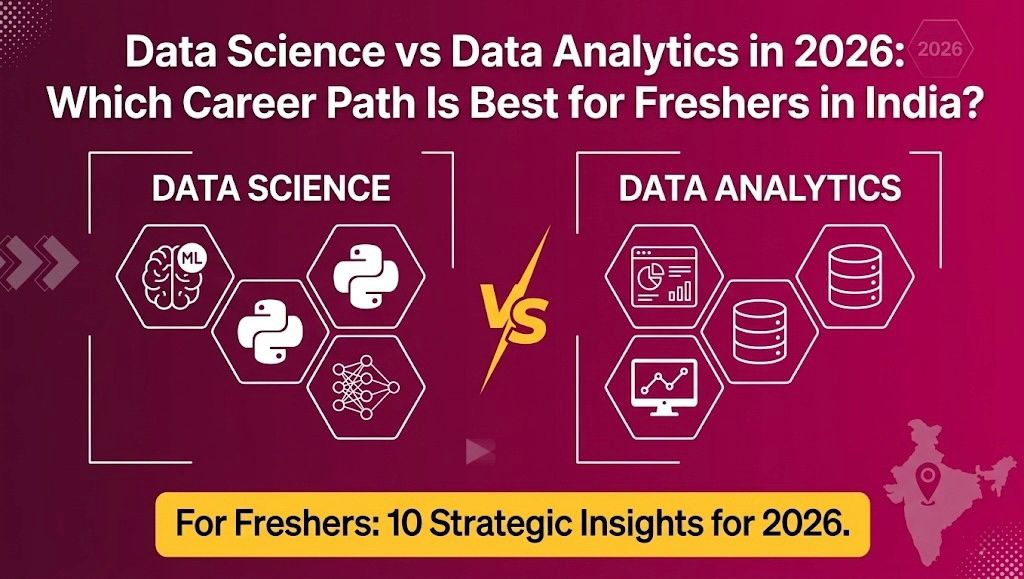
Data science focuses on building predictive models using machine learning, programming, and advanced statistics, while data analytics concentrates on analyzing historical data to generate actionable business insights. Data science is more technical and future-oriented; data analytics is more business-focused and descriptive. Both careers are in high demand, but they differ in skill depth, tools, and salary potential.
- The U.S. Bureau of Labor Statistics projects 36% job growth for data scientists (2023–2033) much faster than average.
- Meanwhile, data analyst and related roles continue to expand as companies double down on data-driven decisions.
- According to industry reports from McKinsey, organizations that leverage data effectively are significantly more likely to outperform competitors in profitability.
Comparing Data Science vs Data Analytics
When comparing data science vs data analytics, the real difference comes down to prediction vs interpretation. Both fields work with data, but they solve different types of problems.
For example:
- A data analyst reviews last year’s marketing data and finds that email campaigns generated 22% more conversions than paid ads.
- A data scientist builds a machine learning model to predict which customers will respond to the next campaign.
| Factor | Data Science | Data Analytics | ||
|---|---|---|---|---|
| Main Objective | Focus | Coding Level | Math Requirement | Output |
| Predict future outcomes | Machine learning & AI models | Advanced (Python, ML libraries) | High (modeling & statistics) | Predictive systems |
| Analyze past performance | Reports & dashboards | Moderate (SQL, Excel, BI tools) | Basic to intermediate | Actionable insights |
If you enjoy coding, algorithms, and experimentation, data science will likely excite you more. If you prefer storytelling with data and helping teams make smarter decisions, data analytics may suit you better.
Understanding data science vs data analytics helps you choose the right learning path, tools, and long-term career direction.
What is Data Science?
When discussing data science vs data analytics, you need a clear understanding of data science first. Data science focuses on predicting outcomes using data, algorithms, and machine learning. Instead of just explaining past trends, data scientists build systems that forecast future behavior.
A data scientist combines coding, statistics, and domain knowledge to solve complex problems.
What Does a Data Scientist Actually Do?
- Build machine learning models
- Clean and prepare messy datasets
- Train algorithms on large volumes of data
- Test and improve predictive accuracy
- Deploy models into real-world systems
For example:
- A streaming platform uses data science to predict which shows you’ll watch next.
- A bank uses data science to detect fraudulent transactions in real time.
- An e-commerce company uses data science to forecast product demand.
Core Skills Required in Data Science
- Python or R programming
- Machine learning algorithms
- Statistics and probability
- Data wrangling
- Model evaluation techniques
In the data science vs data analytics comparison, data science requires deeper mathematical knowledge and stronger programming skills. It often deals with unstructured data like text, images, or customer behavior logs.
If you enjoy coding, experimenting with algorithms, and solving open-ended problems, data science offers a challenging and high-impact career path.
What is Data Analytics?
To fully understand data science vs data analytics, you must understand what data analytics actually involves. Data analytics focuses on examining historical data to uncover patterns, trends, and insights that guide business decisions. Instead of predicting the future like data science, data analytics explains what happened and why.
A data analyst works closely with business teams and turns raw data into clear, actionable insights.
What Does a Data Analyst Do?
- Collect and clean data from multiple sources
- Write SQL queries to extract insights
- Build dashboards and reports
- Identify trends and anomalies
- Present findings to stakeholders
For example:
- A retail company uses data analytics to identify which products sold the most last quarter.
- A marketing team uses data analytics to measure campaign performance.
- A SaaS company uses data analytics to track customer churn rates.
Core Skills Required in Data Analytics
- SQL for querying databases
- Excel or Google Sheets
- Power BI or Tableau
- Basic statistics
- Strong communication skills
In the comparison of data science vs data analytics, data analytics requires less advanced math and lighter coding. It focuses more on business interpretation and storytelling with data.
If you enjoy solving structured problems, working with dashboards, and helping teams make smarter decisions, data analytics provides a practical and accessible career path.
Key Differences Between Data Science and Data Analytics
When comparing data science vs data analytics, the differences become clear once you look at goals, tools, and skill depth. Both roles work with data, but they approach problems differently.
Let’s break it down in a simple way.
Side-by-Side Comparison
| Area | Data Science | Data Analytics | ||
|---|---|---|---|---|
| Main Goal | Focus | Coding Level | Math Depth | Example Task |
| Predict future outcomes | Machine learning & AI | Advanced (Python, ML libraries) | High (statistics, linear algebra) | Build customer churn prediction model |
| Explain past performance | Reporting & insights | Moderate (SQL, Excel) | Basic to intermediate | Analyze why customers churned |
Major Differences Explained
- Problem Type
- Data science solves open-ended problems.
- Data analytics solves structured business questions.
- Example: A data scientist predicts which users will cancel subscriptions. A data analyst identifies why cancellations increased last month.
- Technical Complexity
- Data science requires model building and algorithm tuning.
- Data analytics focuses on querying data and visualizing results.
- Output
- Data science delivers predictive systems.
- Data analytics delivers dashboards and reports.
In the debate of data science vs data analytics, data science demands deeper technical expertise, while data analytics prioritizes clarity and business communication. Choosing between them depends on whether you prefer building intelligent systems or uncovering actionable insights from historical data.
Similarities Between Data Science and Data Analytics
While many people focus on the differences in data science vs data analytics, both fields share a strong foundation. They overlap more than beginners expect, especially in tools, workflows, and business impact.
Both roles work with data to drive smarter decisions. They simply approach it from different angles.
Shared Foundations
- Data Cleaning
- Both clean messy datasets before analysis.
- Example: Removing duplicate customer records or fixing missing values.
- Statistics Knowledge
- Both use statistical concepts.
- Example: Calculating averages, correlations, or confidence intervals.
- Programming Skills
- Both often use Python and SQL.
- Data scientists may use Python for modeling, while data analysts use SQL for querying.
- Business Understanding
- Both must understand business goals.
- Example: Improving customer retention or increasing revenue.
- Data Visualization
- Both present findings visually.
- Analysts build dashboards; data scientists visualize model performance.
Real-World Overlap Example
In a subscription-based company:
- A data analyst identifies churn trends from past data.
- A data scientist builds a model to predict future churn.
In the discussion of data science vs data analytics, the core similarity remains clear: both transform raw data into valuable insights. Whether you analyze trends or build predictive models, you help organizations make smarter, data-driven decisions.
Career Path
When evaluating data science vs data analytics, your long-term career path matters just as much as skills and salary. Both fields offer strong growth, but they move in different directions.
According to the U.S. Bureau of Labor Statistics, data science roles will grow 36% from 2023 to 2033, much faster than average. Analytics and related roles also continue to expand as companies invest heavily in business intelligence and decision-making tools.
Data Analytics Career Path
If you choose data analytics, you typically move through structured business-focused roles:
- Junior Data Analyst
- Data Analyst
- Senior Data Analyst
- Business Analyst
- Analytics Manager or BI Lead
Example:
- You start by building dashboards in Power BI.
- You later lead reporting strategy for marketing or finance teams.
This path suits professionals who enjoy working closely with stakeholders and influencing decisions directly.
Data Science Career Path
If you choose data science, you follow a more technical and research-driven track:
- Junior Data Scientist
- Data Scientist
- Senior Data Scientist
- Machine Learning Engineer
- AI Architect or Head of Data
Example:
- You begin by building predictive models.
- You later design large-scale AI systems for fraud detection or recommendation engines.
In the discussion of data science vs data analytics, analytics offers faster entry and steady growth, while data science offers deeper technical progression and higher long-term earning potential. Your choice depends on whether you prefer business strategy or algorithm design.
Looking to build a future-ready career in analytics and AI?
Explore how WHY TAP equips you with real-world expertise that sets you apart.
Education & Certifications
When comparing data science vs data analytics, education plays a key role in how quickly you enter the field. Both careers value skills over degrees, but employers still look for strong academic foundations.
Educational Background
Most professionals in data science vs data analytics come from:
- Computer Science
- Statistics
- Mathematics
- Information Technology
- Business Analytics
- Engineering
If you aim for data science, you’ll need deeper math knowledge. Linear algebra, probability, and machine learning concepts matter. Many data scientists hold a master’s degree, especially for advanced AI roles.
If you choose data analytics, you can enter the field with a bachelor’s degree and strong practical skills. Employers focus heavily on SQL, Excel, and visualization tools.
Example:
- A data science student might complete projects involving neural networks.
- A data analytics student might build interactive dashboards using business datasets.
Certifications That Add Value
Certifications help you stand out, especially if you switch careers.
For Data Analytics:
- Google Data Analytics Professional Certificate
- Microsoft Power BI Certification
- Tableau Desktop Specialist
For Data Science:
- IBM Data Science Professional Certificate
- AWS Machine Learning Certification
- TensorFlow Developer Certificate
In the data science vs data analytics journey, practical projects matter more than theory alone. Build portfolios, publish case studies, and demonstrate real-world problem-solving to increase your chances of landing interviews.
Industries Hiring in 2026
When analyzing data science vs data analytics, industry demand plays a major role in your decision. In 2026, companies across nearly every sector rely on data-driven strategies. Demand continues to rise as AI adoption accelerates globally.
According to industry research from McKinsey, organizations that use advanced analytics and AI outperform competitors in profitability and productivity. That trend fuels strong hiring across both roles.
Top Industries Hiring for Data Science vs Data Analytics
- Healthcare
- Data scientists build predictive models for disease detection.
- Data analysts track patient outcomes and hospital efficiency.
- Finance & Banking
- Data scientists create fraud detection systems.
- Data analysts monitor transaction trends and risk metrics.
- E-commerce & Retail
- Data scientists develop recommendation engines.
- Data analysts analyze sales performance and customer behavior.
- Technology & SaaS
- Data scientists optimize algorithms and AI tools.
- Data analysts measure product engagement and churn.
- Government & Public Sector
- Analysts evaluate policy outcomes.
- Data scientists model population and economic forecasts.
- Manufacturing
- Data scientists power predictive maintenance systems.
- Analysts monitor supply chain efficiency.
In the debate of data science vs data analytics, both roles offer cross-industry flexibility. If you want to work in AI-driven innovation, data science opens more advanced technical doors. If you prefer business strategy and operational insights, data analytics offers broader immediate opportunities across sectors.
Future Outlook (2026–2030)
When analyzing data science vs data analytics, the future looks dynamic for both fields. Between 2026 and 2030, companies will rely even more on automation, artificial intelligence, and real-time insights to stay competitive. Technology will not replace these roles it will evolve them.
Here’s what you can expect:
Key Trends Shaping Data Science vs Data Analytics
- Stronger AI Integration
- Data scientists will design smarter machine learning systems.
- Example: AI models that automatically adjust product pricing based on demand.
- Automation of Routine Analytics
- Analytics tools will auto-generate reports and highlight trends.
- Example: BI platforms that instantly flag declining sales performance.
- Hybrid Skill Demand
- Employers will prefer professionals who understand both analytics and predictive modeling.
- Example: An analyst who can build a simple churn prediction model.
- Real-Time Decision Systems
- Businesses will shift from monthly reports to live dashboards.
- Example: Fraud detection systems that block suspicious transactions instantly.
- Generative AI Collaboration
- Data scientists will refine AI systems.
- Data analysts will use AI tools to speed up insight generation.
In the discussion of data science vs data analytics, data science will push innovation in AI-driven systems, while data analytics will strengthen business intelligence and strategic decision-making. Both paths offer strong long-term relevance, especially for professionals who continuously upgrade their technical skills.
The World Economic Forum Future of Jobs Report highlights AI and data-related roles among the fastest-growing job categories globally.
The future belongs to data-driven leaders. Will you be one of them?
Stay ahead of industry evolution with WHY TAP forward-focused solutions
Conclusion
Choosing between data science vs data analytics comes down to your interests, strengths, and long-term goals. Both careers offer strong growth, cross-industry demand, and meaningful impact. The difference lies in depth and direction.
- Choose data science if you enjoy coding, algorithms, and predictive modeling.
- Choose data analytics if you prefer dashboards, business insights, and data storytelling.
- Choose a hybrid path if you want flexibility and long-term adaptability.
In the debate of data science vs data analytics, neither role is “better.” Each solves different problems. Data science builds intelligent systems that predict outcomes. Data analytics turns historical data into clear, actionable decisions.
If you’re just starting, begin with analytics fundamentals. Build SQL skills, learn visualization tools, and understand business metrics. Then move into machine learning if you enjoy deeper technical challenges.